New points and fittings
Define each room, fitting position, switching point and lighting purpose before ceilings or finishes close access.
Electrical services / lighting
Plan new lighting and upgrades around the room, switching, controls, existing circuit, ceiling access and the fitting manufacturer’s requirements—then test the completed electrical work.
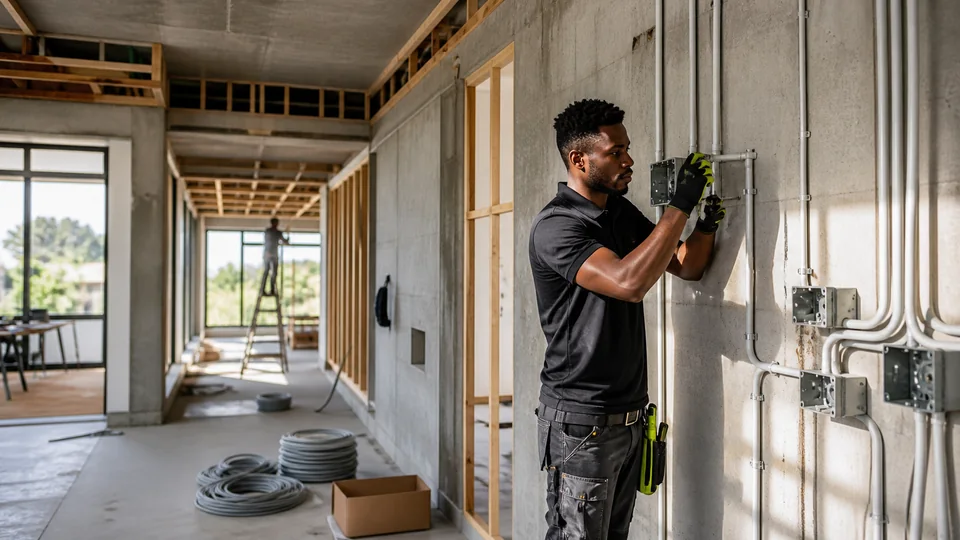
Installation is more than choosing a fitting
A useful lighting brief separates the desired effect from the technical installation. Dimmers, sensors, smart controls, emergency fittings, wet locations and outdoor exposure can change product suitability and the electrical scope.
Define each room, fitting position, switching point and lighting purpose before ceilings or finishes close access.
Investigate flicker, failure or tripping before assuming a lamp, driver or fitting is the only cause.
Check dimmers, sensors, smart controls, emergency use and indoor or outdoor ratings against the selected equipment.
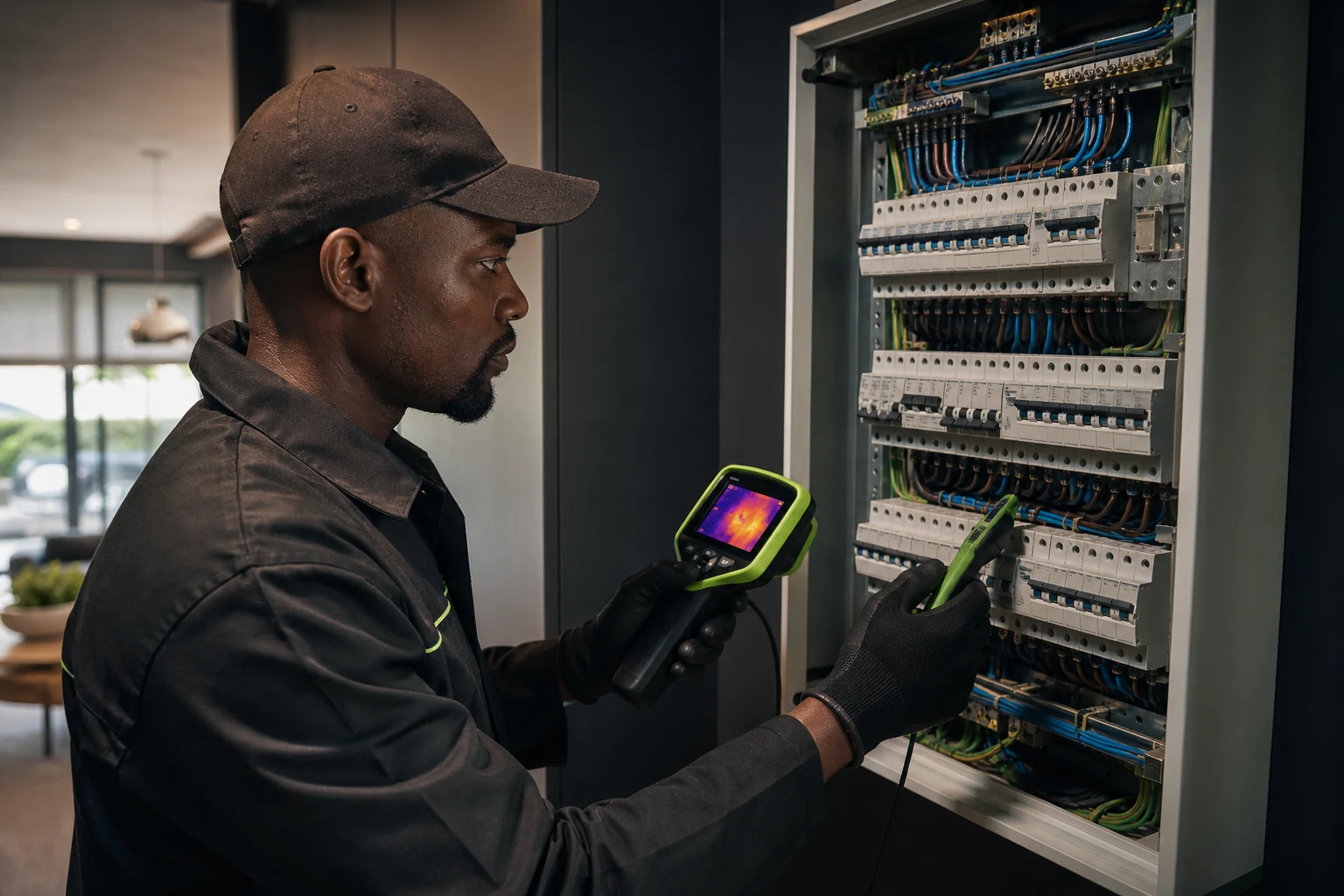
Prepare the brief
Lighting repairs investigate failed or unreliable existing lighting. Lighting installation adds or replaces fittings, switching, controls or circuits. The final scope depends on the existing installation, access, product suitability and testing—not appearance alone.
Local and related guidance
Common questions
Potentially, once the fitting, controls, installation environment and manufacturer information have been checked for suitability.
No. Installation adds or replaces equipment; flickering or tripping needs fault finding before the correct repair or upgrade is selected.
They can be assessed, but compatibility depends on the lamps, drivers, controls, wiring and intended operation.
Making-good responsibilities and exclusions should be stated in the written scope before work begins.
Send the address, rooms or areas, intended lighting effect, control requirements, access limits and any products already selected. Wesslink can then confirm the appropriate assessment and quotation path.