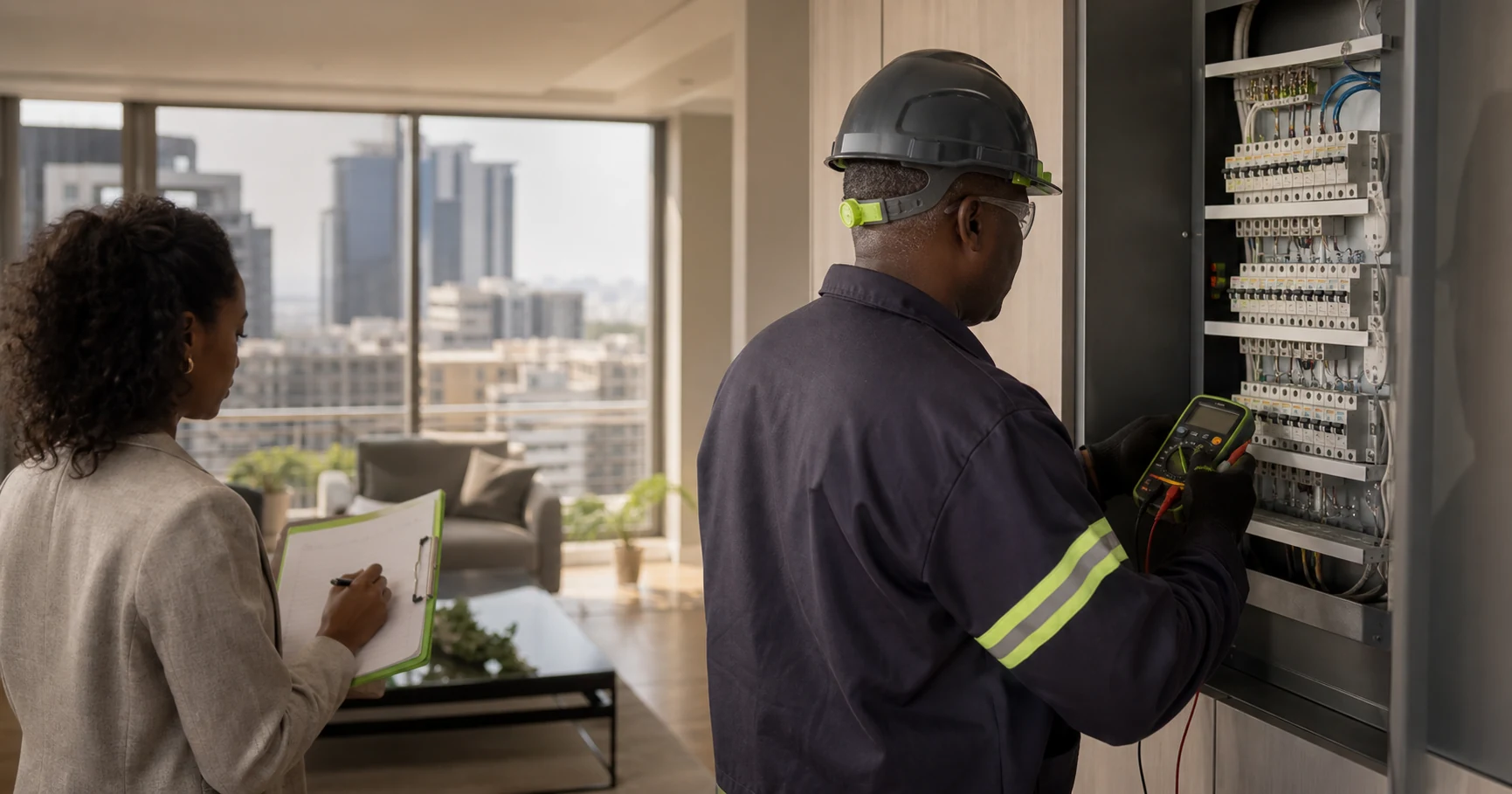

Power tripping means a circuit breaker, earth-leakage device or another protective device has disconnected the circuit after detecting a condition it is designed to respond to.
When power keeps tripping, the most useful question is not simply how to switch it back on. A protective device has responded to a condition in the installation, a connected appliance or the supplied load.
Good fault finding is a disciplined process: record the pattern, isolate possibilities safely, test the relevant circuit and correct the underlying cause. Repeated resetting can hide valuable clues and may expose the property to unnecessary risk.
01
What power tripping means
Different protective devices respond to different electrical conditions. The correct investigation depends on which device operated, what it supplies and whether the fault is constant, load-related or intermittent.
A successful reset does not prove that the problem has disappeared. Some faults only reappear when a particular appliance operates, when several loads run together, when equipment becomes warm or when moisture reaches an external circuit.
- Electrical fault-finding service — Structured diagnosis and repair support for repeated or intermittent electrical faults.
02
The pattern matters
A short, accurate description can save diagnostic time. Before moving anything, note what is no longer working and which device appears to have changed position. Only inspect the board visually if it is safe to approach.
- Which breaker, earth-leakage device or main switch operated.
- Which rooms, plugs, lights or fixed equipment lost power.
- What was switched on immediately before the trip.
- Whether it happens instantly, after several minutes or only occasionally.
- Recent rain, heat, building work, appliance changes or electrical additions.
03
Warning signs that change the urgency
Heat, burning smells, smoke, buzzing, crackling, visible damage or exposed wiring require caution. Keep people clear of the affected area and do not keep attempting to restore the supply.
If there is an immediate fire or shock danger, use the emergency response appropriate to the situation. Once the area is safe, arrange professional electrical assessment and explain the warning signs when booking.
04
Why repeated resetting is not a repair
A protective device may reset while the underlying condition remains. Repeated operation can continue to interrupt the property, damage equipment or indicate a fault that deserves prompt attention.
Installing a larger breaker is not a safe diagnostic shortcut. Protection is selected for the circuit and conductor arrangement. Any proposed change must follow proper assessment, design and testing.
05
Prepare a useful fault brief
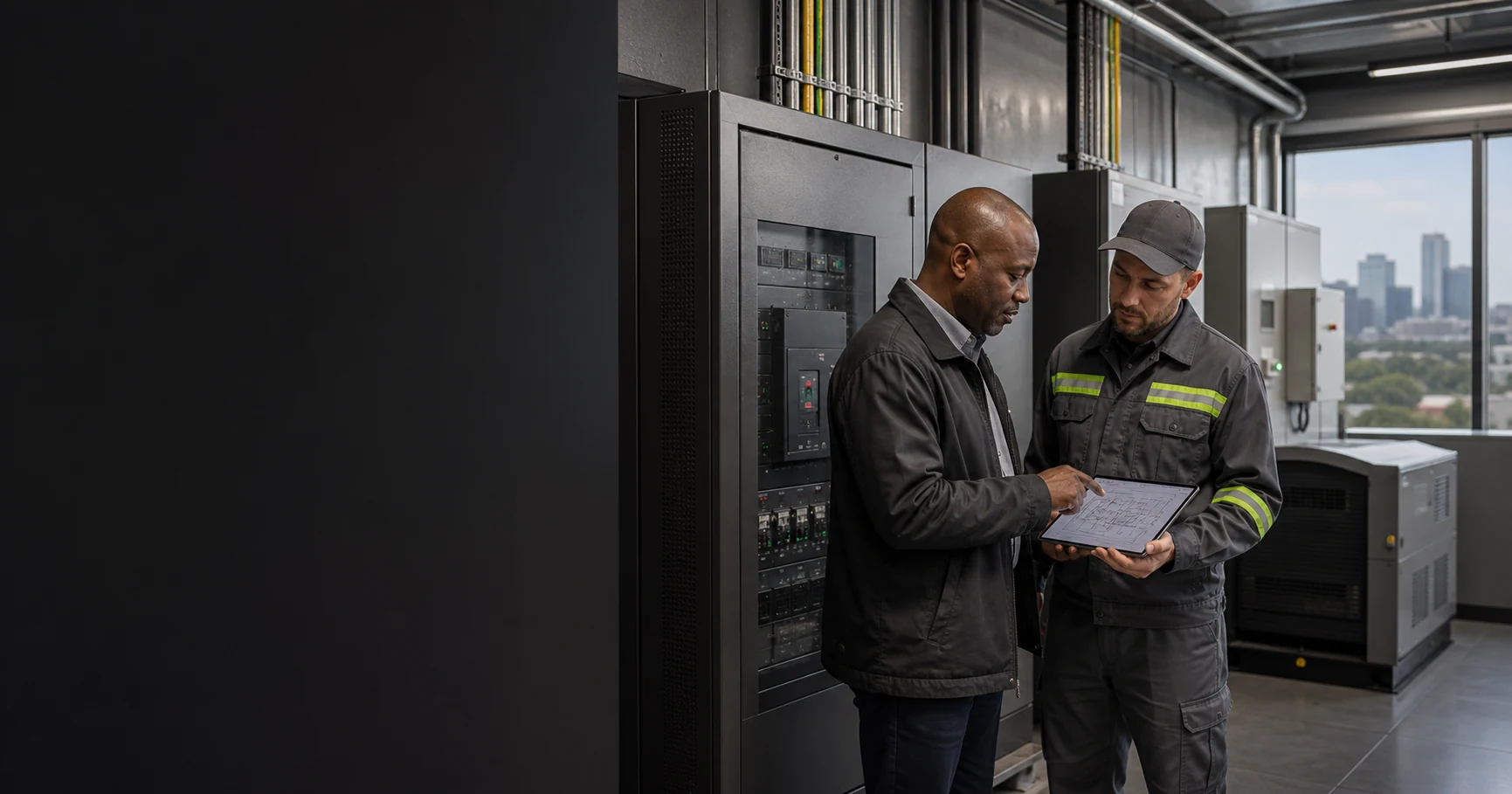
Tell the electrician when the problem began, how often it happens and whether anything changed beforehand. Mention new appliances, renovations, generator or inverter work, storm damage and water leaks.
For managed properties, include the unit or common area, an on-site contact, access arrangements and whether neighbouring units are affected. This turns a vague “power problem” into a useful starting point for fault finding.
FAQ
Questions readers also ask
Should I keep resetting a breaker that trips?
No. One cautious reset may reveal whether the event was isolated, but repeated tripping needs investigation. Stop if there is heat, smell, sound, damage or any uncertainty about safety.
Can one appliance cause the whole property to trip?
Yes. A faulty appliance can operate protection, although the circuit, plug point and installation still need to be considered before assuming the appliance is the only cause.
Why does the power trip when it rains?
Moisture may influence outdoor equipment, damaged insulation, connections or other exposed parts of an installation. A qualified electrician should locate and test the affected circuit.
Why does it only trip when several appliances are on?
The pattern may be load-related, but a fault or unsuitable arrangement can produce similar symptoms. Record which loads were operating and have the circuit assessed.