
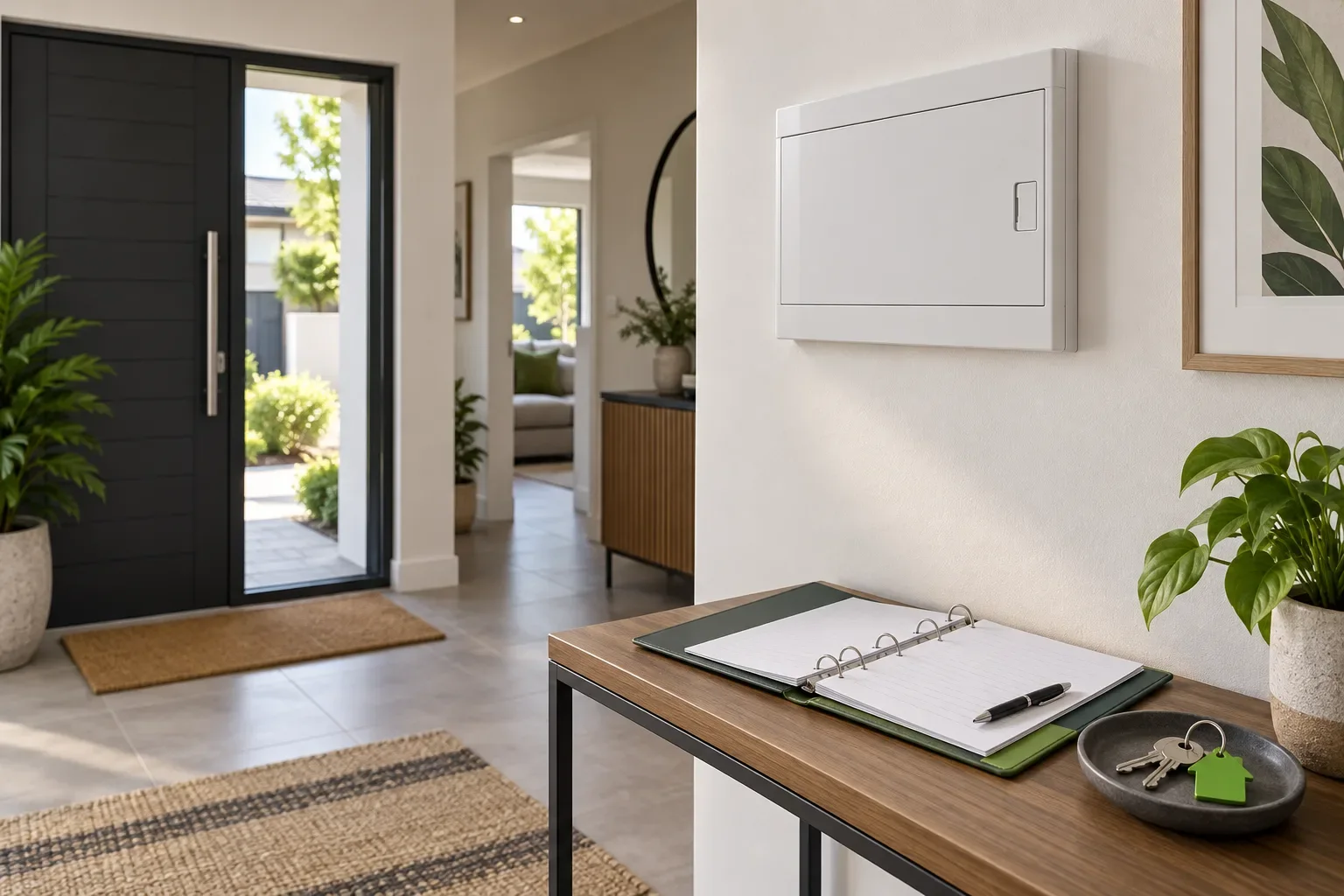
A household facing repeated call-outs often has information scattered across messages, invoices and different people's memories. The next electrician may receive only the latest symptom, while useful earlier findings and unfinished recommendations remain hidden. A single case timeline creates a better starting point.
The timeline is evidence management, not diagnosis. Similar events can have different causes, and changed conditions may require fresh assessment. Customers should not recreate trips, open equipment or operate unfamiliar controls to prove continuity. Immediate danger always takes priority over record collection. Give each document a date and source so a recommendation from one visit is not accidentally presented as a finding from another.
01
Reconstruct events before adding theories
Create one row per genuine event with date, approximate time, location, observed symptom, normal activity and who witnessed it. Mark uncertain dates or second-hand details honestly. Do not merge separate rooms or behaviours simply because they occurred in the same month.
Attach safe photographs or messages to the matching event. Index all documents by date and source for quick review. Keep theories in a separate notes field so they do not become false facts when the timeline is shared with another professional.
02
Map each visit to findings and actions
For every attendance, record the scope requested, areas accessed, confirmed findings, work completed, limitations and recommendations. Use the electrician's exact wording from the record where available rather than reconstructing a stronger conclusion from memory.
Distinguish a quotation, temporary measure, completed repair and suggested further investigation. Payment or attendance alone does not show that every recommendation was authorised or completed.
03
Highlight what changed between call-outs
Note new appliances, renovation work, occupancy changes, weather exposure or alterations only where factually relevant. A change is context, not proof. Also note whether the location, frequency or behaviour of the symptom changed after earlier work.
For Westdene attendance through the Randburg hub, send the case summary before the visit and identify original documents available on site. Ask which prior evidence is useful and what must be reassessed under present conditions.
04
Close each visit with an updated case status
After attendance, add confirmed findings, completed actions, outstanding questions and any safe observation guidance. Name the next decision-maker and target follow-up where further work is proposed. Do not mark the case resolved merely because the symptom is absent that day; record the electrician's actual conclusion and limitations.
Where alterations occur, ask the registered person what inspection, testing and certification applies and retain those records. Keep certificates distinct from invoices and ordinary reports. The case file should show evidence, not upgrade it.
05
Your Westdene booking checklist
Use the points below to prepare your enquiry. Confirm availability and the attendance scope with Wesslink before making arrangements.
- Create one row per genuine symptom event
- Link every visit to findings, actions and limitations
- Highlight factual changes without calling them causes
- Update the case status after the next attendance
- Electrician Westdene — Book an area-specific electrical assessment.
- Electrician Randburg — Parent service hub.
- Electrical price guides — Cost factors and scope questions.
- Wesslink client reviews — Read feedback before booking.
06
Keep inspection and certification separate from appearances
Where the work includes an electrical compliance certificate or an electrical COC, confirm the inspection, testing and certification scope with the appropriately registered person. A working light, neat finish or repair invoice is not itself a certificate. The sources below support that distinction; this guide is not a wiring design or legal opinion.
- ECA: Electricity and the Homeowner — Guidance on electrical work, registered persons and compliance records.
- Department of Employment and Labour: electrical installations and compliance — Official inspection, testing and registration guidance.
FAQ
Questions readers also ask
Does a repeat symptom mean the previous repair failed?
Not necessarily. Similar symptoms may need fresh assessment, and the prior scope and findings should be reviewed before drawing conclusions.
Which old records are useful?
Bring reports, invoices, quotations, photographs, messages and certificates that can be linked to specific events or work.
Should I reproduce the symptom for the electrician?
No. Record genuine events and follow safe professional guidance; do not recreate trips or approach hazardous equipment.